
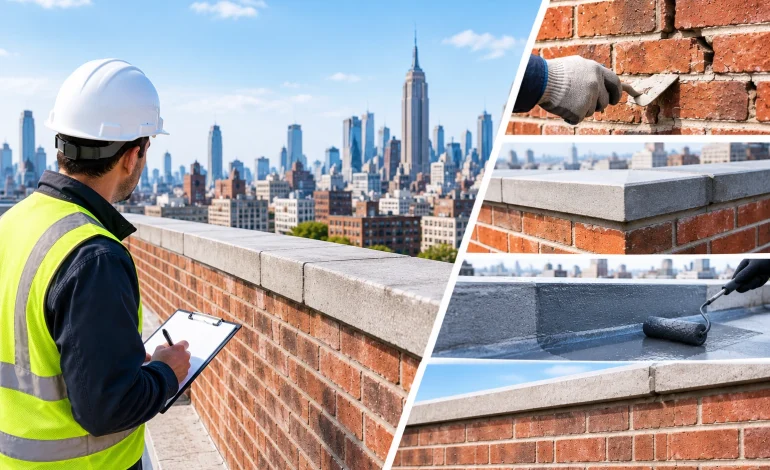
Parapet walls are an important part of a building’s exterior protection. They extend above the roofline and help protect rooftop areas, support building safety, and maintain the overall appearance of a property. However, constant exposure to rain, snow, strong winds, and changing temperatures can gradually damage these structures.
For property owners in New York City, maintaining parapet walls is especially important. Older buildings, commercial properties, and residential structures often experience masonry deterioration, water infiltration, damaged mortar joints, and loose bricks. If these problems are ignored, they can become serious safety concerns and lead to expensive construction work. When damage appears, property owners often face an important decision: should they choose parapet wall repair or complete restoration?
Although both services address damaged parapet walls, they differ in their scope, construction methods, and long-term objectives. Understanding these differences helps building owners select the right solution based on the actual condition of their property.
Sigma Builders INC helps property owners address exterior construction and restoration requirements through professional building solutions. In this guide, we explain the difference between parapet wall repair and restoration, the warning signs of structural deterioration, and how professional Concrete Services can support exterior building maintenance.
Parapet wall repair involves fixing specific areas of damage without replacing or rebuilding the entire structure. It is generally suitable when the wall remains stable but has developed localized problems that require professional attention.
Over time, masonry materials can deteriorate because of moisture penetration, temperature fluctuations, and natural aging. Addressing these problems early can help prevent further damage and reduce the need for extensive restoration.
Common parapet wall repair services include:
Parapet wall repair is often a suitable choice when the damage is limited to specific sections. However, a professional assessment is important to confirm that the underlying structure remains stable.
Parapet wall restoration is a more comprehensive construction process designed to address extensive deterioration and improve the overall condition of an existing parapet. Unlike localized repairs, restoration may involve multiple sections of masonry, damaged structural components, defective waterproofing systems, and deteriorated coping materials.
Older NYC buildings may require restoration when years of weather exposure and limited maintenance have affected the condition of their exterior walls. Depending on the inspection findings, Parapet Wall Restoration NYC projects may involve:
The purpose of restoration is to address the underlying causes of deterioration rather than repeatedly fixing individual symptoms. It helps improve the building’s exterior condition, safety, and long-term durability.
Choosing between repair and restoration depends on the severity of the damage, the condition of the existing masonry, and the amount of work required.
Here is a comparison to help property owners understand the differences.
| Factors | Parapet Wall Repair | Parapet Wall Restoration |
|---|---|---|
| Work scope | Specific damaged areas | Multiple sections or the entire parapet |
| Damage condition | Localized deterioration | Extensive deterioration |
| Brickwork | Individual brick replacement | Extensive masonry replacement |
| Mortar joints | Localized repointing | Large-scale repointing |
| Waterproofing | Limited corrective work | Broader waterproofing improvements |
| Structural work | Usually limited | May involve reconstruction or reinforcement |
| Project duration | Generally shorter | Usually longer |
| Main objective | Fix existing damage | Restore overall condition and performance |
For example, if a building has a few damaged bricks and deteriorated mortar joints, targeted repairs may be sufficient. However, if the parapet has widespread cracking, loose masonry, water infiltration, or structural instability, a more extensive restoration project may be necessary.
A qualified contractor can evaluate the damage and recommend an appropriate solution.
Recognizing early signs of parapet deterioration can help property owners prevent more serious building problems. Here are some common warning signs that should not be ignored.
Cracks in bricks may develop because of moisture exposure, temperature changes, building movement, or aging materials. Small cracks can allow water to enter the masonry. Over time, this moisture can weaken surrounding materials and contribute to further deterioration.
If damage is limited, individual brick replacement or localized repairs may be sufficient. Extensive cracking requires a more detailed structural assessment.
Mortar holds individual bricks together and helps maintain the stability of masonry walls. When it starts crumbling, cracking, or falling out, the wall becomes more vulnerable to water penetration. Professional repointing can restore deteriorated joints and help protect the masonry against additional moisture damage.
Loose bricks are a serious concern, particularly when they are located above sidewalks, entrances, or occupied areas. Falling masonry can cause injuries and property damage. If bricks appear loose or displaced, arrange a professional assessment promptly and keep people away from potentially unsafe areas.
Water entering through the parapet can affect roofing materials, interior ceilings, insulation, and surrounding building components.
Damaged flashing, cracked mortar, and deteriorated coping systems are common areas that may contribute to water infiltration. Identifying the source of the leak is essential before selecting an appropriate repair solution.
A parapet that appears to lean outward or bulge may indicate a serious problem with its stability or connections. This condition should never be treated as a simple cosmetic issue. Professional evaluation is necessary to determine whether stabilization, reconstruction, or other structural work is required.
Coping stones cover the top of parapet walls and help direct water away from the masonry. Cracked, loose, or improperly installed coping stones can allow water to enter the wall from above. Repairing or replacing damaged coping components can help improve the parapet’s weather protection.
If cracks, water leaks, or loose bricks keep returning after previous repairs, the underlying cause may not have been addressed. In these situations, a comprehensive inspection can help determine whether complete restoration would be a more appropriate long-term solution.
New York City buildings experience different weather conditions throughout the year. These environmental changes can gradually affect exterior masonry, particularly when parapet walls are not properly maintained.
Heavy Rainfall: Continuous rain can penetrate cracks, damaged mortar joints, and defective flashing. Repeated moisture exposure may weaken masonry and contribute to interior water damage.
Freeze-Thaw Cycles: During winter, trapped water can freeze and expand inside small masonry openings. Repeated freezing and thawing can cause bricks and mortar to crack, break, or deteriorate.
Strong Winds: Parapet walls are exposed to wind because they extend above the roofline. Existing weaknesses in masonry and connections may become more serious under repeated exposure.
Summer Heat: Changes in temperature cause building materials to expand and contract. Over time, these movements may contribute to cracking and deterioration.
Because NYC weather can accelerate exterior building deterioration, regular inspections and timely maintenance are important for residential and commercial properties.
Parapet restoration does not always involve masonry alone. Depending on the building’s construction, concrete components around roof areas, structural connections, and exterior surfaces may also require attention.
Professional Concrete Services can help address related deterioration and maintain the condition of concrete building components.
Common concrete-related work may include:
For example, a building undergoing parapet restoration may also have deteriorated concrete around adjoining roof or structural areas. Addressing these related problems as part of a coordinated construction project can help prevent recurring maintenance issues.
However, concrete work should only be recommended when the building assessment identifies a genuine need. The correct repair method depends on the material, damage, and structural requirements.
Before starting a construction project, property owners should understand the actual condition of their parapet walls. The following considerations can help determine which solution may be appropriate.
If the damage is limited to a few bricks, mortar joints, or small cracks, targeted repairs may be sufficient. When deterioration affects multiple sections or compromises the wall’s stability, restoration may be necessary.
Repeated water penetration can damage masonry from the inside and outside. A proper inspection should identify whether the problem comes from damaged flashing, coping stones, mortar joints, or another source.
Older buildings may have experienced years of weather exposure and previous repairs. Reviewing the property’s maintenance history can help contractors understand recurring problems.
Loose bricks, bulging masonry, and leaning walls require professional attention. Structural stability should always take priority over appearance or short-term cost savings.
Ask a qualified contractor to inspect the parapet, explain the recommended work, and provide a detailed project estimate. Comparing the scope of work helps property owners understand whether localized repair or comprehensive restoration offers the more appropriate solution.
Parapet walls are exposed to weather and environmental conditions throughout the year. Their elevated position also means that damaged masonry can create risks for pedestrians, residents, workers, and nearby properties. Professional restoration provides an opportunity to address multiple problems through a planned construction process.
Some important benefits include:
Improved Building Safety: Addressing loose bricks, unstable masonry, and damaged components can help reduce the risk of falling materials.
Better Weather Protection: Repairing masonry joints, flashing, and coping systems can help reduce water infiltration.
Longer Building Lifespan: Addressing deterioration early can help protect existing building materials and reduce recurring damage.
Improved Exterior Appearance: Replacing damaged bricks and restoring mortar joints can improve the appearance of the building.
Better Maintenance Planning: A professional assessment helps property owners understand existing problems and plan future maintenance more effectively.
Choosing the right construction contractor is an important part of maintaining a commercial or residential property. Parapet wall projects require proper assessment, suitable materials, experienced workmanship, and careful attention to building safety. Sigma Builders INC provides exterior construction and building restoration solutions for property owners in New York City.
When addressing parapet wall problems, understanding the condition of the existing structure is the first step. Whether a building needs localized masonry repairs, extensive restoration, or related Concrete Services, the recommended work should be based on the actual condition of the property.
Property owners should look for a contractor who can:
Sigma Builders INC helps property owners address their exterior construction needs with a focus on building condition, practical solutions, and long-term maintenance.
If your property has cracked bricks, deteriorating mortar, loose masonry, or recurring water leaks, consider arranging a professional inspection to understand the work required.
Choosing between parapet wall repair and restoration depends on the extent of deterioration and the overall condition of the building. Localized cracks, damaged mortar, and a few loose bricks may require targeted repairs. However, widespread masonry deterioration, water infiltration, and structural concerns may call for a more comprehensive restoration approach.
For NYC property owners, addressing parapet problems early is essential for maintaining building safety, protecting exterior materials, and avoiding preventable damage.
Whether your building needs masonry repairs, complete parapet restoration, or related Concrete Services, working with an experienced construction contractor can help you make the right decision.
Contact Sigma Builders INC to discuss your building’s exterior restoration requirements and find a suitable solution for your property.
Parapet wall repair focuses on fixing specific problems, such as cracked bricks, damaged mortar, and localized water leaks. Restoration involves more extensive work to address widespread deterioration and improve the overall condition of the parapet.
A parapet may require restoration when it has widespread masonry damage, loose or displaced bricks, bulging sections, recurring water infiltration, or deteriorated structural components. A professional inspection can help determine the necessary work.
The cost depends on the building’s height, parapet dimensions, extent of damage, material requirements, accessibility, and labor. Localized repairs generally require less work than extensive restoration or reconstruction. A site inspection is necessary for an accurate estimate.
Yes. Cracked masonry, deteriorated mortar, and damaged flashing can allow water to enter around the roofline. This moisture may affect roofing materials, insulation, ceilings, and nearby structural components.
Parapet walls should be checked regularly, particularly after severe weather or when visible damage develops. Inspection frequency should also account for building conditions and applicable NYC safety requirements.
Yes. When concrete components around the parapet or adjoining building areas are damaged, appropriate Concrete Services can be included in the overall construction project. The exact work depends on the property’s condition.
Common causes include water infiltration, freezing and thawing, strong winds, temperature changes, poor drainage, aging materials, and insufficient maintenance.
Leave A Reply