
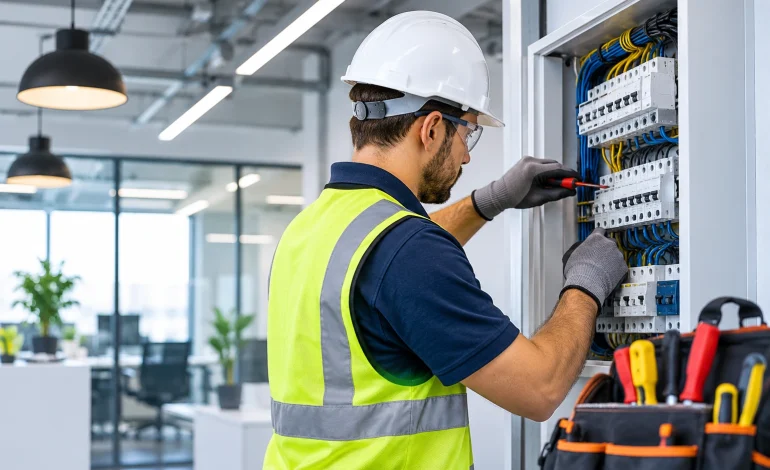
Electrical systems are one of the most important parts of any commercial property. From office buildings and retail stores to restaurants, warehouses, and industrial facilities, every business depends on a reliable electrical setup to operate safely and efficiently. A properly installed electrical system supports daily operations, protects equipment, and helps prevent unexpected power interruptions.
However, commercial electrical projects in New York City require careful planning. Buildings have different layouts, electrical demands, safety requirements, and construction challenges. Older properties may also need electrical upgrades to support modern equipment and technology.
Whether you are developing a new commercial property or renovating an existing building, understanding the key factors involved in Commercial Electrical Installation NYC can help you make better construction decisions.
Before starting an electrical installation project, it is important to understand how much electricity the building will need. Different commercial properties have different power requirements depending on their size, purpose, equipment, and daily operations.
For example, an office building may require electricity for computers, lighting, elevators, heating, ventilation, and air conditioning systems. A restaurant may need additional power for commercial kitchen equipment, refrigeration, and specialized appliances.
A proper electrical assessment helps determine:
Planning these requirements in advance helps reduce the risk of overloaded circuits and expensive modifications later.
New York City has specific building and electrical requirements that commercial property owners and contractors must follow. Electrical installations should comply with applicable NYC construction codes, electrical codes, and other relevant safety regulations.
Depending on the project, permits, inspections, and approvals may be required before electrical work can begin or be completed.
Some important considerations include:
Working with qualified electrical professionals helps ensure that the installation is properly planned and completed according to applicable regulations.
The electrical panel is responsible for distributing electricity throughout a commercial building. Choosing the correct panel capacity is essential for maintaining a stable and dependable electrical system.
An undersized electrical panel may struggle to support the building’s equipment and daily power consumption. This can lead to frequent breaker trips, overloaded circuits, and operational problems.
During commercial electrical installation, contractors should consider:
A properly designed distribution system allows electricity to reach different areas of the property safely and efficiently.
Lighting plays an important role in commercial properties. It affects employee productivity, customer experience, workplace safety, and energy consumption.
A good lighting plan should consider the purpose of each space. Office environments may require consistent lighting for workstations, while retail stores need suitable lighting to highlight products and improve the shopping experience.
Popular commercial lighting options include:
LED lighting is a popular choice because it generally consumes less electricity and lasts longer than traditional lighting options.
Planning lighting during the early construction stage also helps avoid unnecessary wiring changes and installation costs.
Electricity consumption can represent a significant operating expense for commercial properties. Installing energy-efficient electrical systems can help businesses manage their energy use and reduce long-term operating costs.
Property owners should consider energy-saving solutions during the design and installation process.
Some practical options include:
LED Lighting: Energy-efficient lighting can reduce electricity consumption while providing suitable illumination.
Smart Lighting Controls: Automated lighting systems can turn lights on or off based on occupancy and schedules.
Energy Management Systems: These systems help property managers monitor and manage electricity consumption.
Efficient Electrical Equipment: Choosing energy-efficient equipment can help reduce unnecessary power usage.
An energy-efficient electrical installation supports more sustainable building operations and can improve long-term property management.
Electrical safety should never be overlooked in a commercial construction project. Faulty wiring, damaged connections, overloaded circuits, and improperly installed equipment can create serious safety risks. Commercial properties often have high electrical demands, making proper installation and protection especially important.
Important safety considerations include:
Electrical systems should also be installed with accessibility and maintenance in mind. Keeping electrical panels and important components accessible makes future inspections and repairs easier.
Unexpected power interruptions can affect business operations, damage sensitive equipment, and create safety concerns.
Depending on the building’s use, emergency power and backup systems may be an important part of the electrical design.
Commercial property owners may consider:
The right solution depends on the building’s operational requirements and applicable regulations. Healthcare facilities, commercial offices, industrial buildings, and other properties may have different backup power needs.
Planning backup systems during construction can make installation more efficient and reduce the need for major electrical modifications later.
New York City has many older commercial buildings. While these properties may offer valuable locations and architectural features, their existing electrical infrastructure may not support modern business requirements.
Older wiring, outdated panels, limited electrical capacity, and previous modifications can create challenges during renovation projects.
Before installing new electrical systems, contractors should evaluate the existing infrastructure.
An assessment may identify:
Understanding these conditions before construction begins helps property owners plan upgrades and avoid unexpected complications.
Commercial electrical installation is closely connected to other construction activities. Electrical contractors often need to coordinate their work with plumbing, HVAC, framing, drywall, and other building systems.
Poor coordination can result in misplaced wiring, inaccessible electrical components, construction delays, and additional expenses.
For better project management, electrical installation should be coordinated with the overall construction schedule.
This includes:
Proper coordination helps maintain an organized construction process and reduces unnecessary rework.
Commercial properties change over time. Businesses may introduce new equipment, expand their operations, add workstations, or renovate different areas of the building. An electrical system designed only for current requirements may become insufficient as the business grows.
Future planning should include adequate electrical capacity, accessible distribution panels, and flexibility for additional circuits where appropriate. Property owners should discuss possible future upgrades with their project team before installation begins.
This approach can help reduce the cost and disruption associated with major electrical modifications in the future.
Choosing experienced professionals is an important step in any commercial electrical project. The quality of installation affects building safety, system performance, and long-term maintenance requirements.
Before selecting a contractor or electrical service provider, consider the following factors:
Relevant Commercial Experience: Look for professionals who understand the electrical requirements of commercial buildings and renovation projects.
Knowledge of Local Regulations: NYC projects require attention to applicable building and electrical codes, permits, and inspections.
Project Coordination: Electrical work should be properly coordinated with other construction activities to avoid delays.
Safety Practices: Ask about installation procedures, safety measures, and inspection processes.
Clear Project Planning: A reliable project team should understand the scope of work, expected timeline, materials, and installation requirements.
Working with the right professionals can make a significant difference in the overall quality and efficiency of a commercial construction project.
A properly installed electrical system provides more than basic power distribution. It supports the building’s functionality and contributes to a safer working environment.
Some of the major benefits include:
For commercial property owners, investing in proper electrical planning is an important part of protecting their building and business operations.
Commercial construction requires careful attention to every building system, and electrical installation is no exception. From evaluating power requirements and selecting electrical components to coordinating installation with other construction activities, every stage needs proper planning.
Sigma Builders INC provides commercial construction and building improvement services in New York City. The company understands the importance of organized project execution, quality workmanship, and attention to building requirements.
If you are planning a commercial renovation, property improvement, or construction project, consider the electrical requirements early in the process. Proper planning can help create a safer, more functional, and efficient commercial space.
Contact Sigma Builders INC to discuss your commercial construction and renovation requirements in NYC.
Commercial electrical installation may include wiring, electrical panels, circuit breakers, power distribution, lighting, outlets, grounding, and other electrical components required to operate a commercial building.
Electrical planning helps determine the building’s power requirements, improve safety, support business equipment, and reduce the possibility of costly modifications during construction.
Many commercial electrical projects require permits, inspections, or approvals depending on the type and scope of work. Requirements should be confirmed with the NYC Department of Buildings and the appropriate licensed professionals.
Businesses can improve electrical efficiency by installing LED lighting, using smart lighting controls, selecting energy-efficient equipment, and monitoring electricity consumption.
Yes. Older buildings should have their electrical infrastructure evaluated by qualified professionals, particularly before major renovations or the installation of new equipment.
Start by evaluating existing electrical systems, identifying current and future power requirements, reviewing applicable codes, and coordinating electrical work with the overall construction plan.
Commercial electrical installation requires more than connecting wires and installing electrical panels. It involves understanding building requirements, following applicable NYC regulations, prioritizing safety, and planning for future operations.
Whether you are constructing a new commercial property or upgrading an existing building, proper electrical planning can improve reliability, efficiency, and overall building performance.
With careful coordination and professional project management, commercial property owners can create electrical systems that support their business needs today and in the years ahead. Sigma Builders INC is ready to help with your commercial construction and renovation requirements in NYC.