
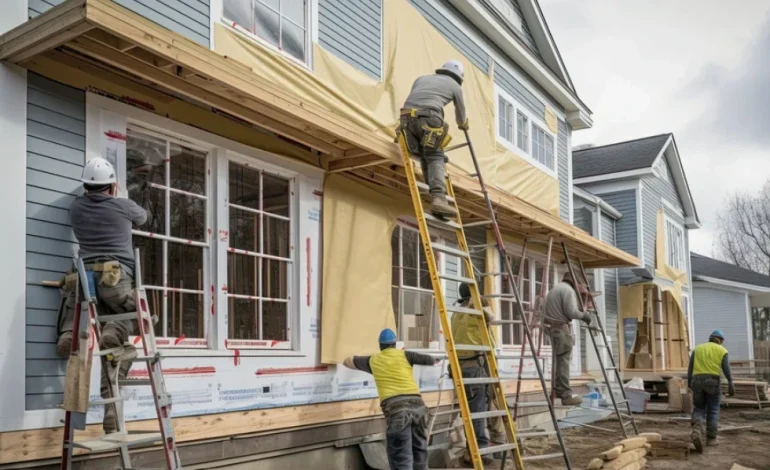
A building’s exterior deals with more than just changing weather. It protects the structure, keeps moisture outside, and helps maintain the property’s overall appearance. In New York City, where buildings experience heavy rain, freezing winters, summer heat, and constant exposure to pollution, exterior maintenance is something property owners cannot afford to overlook.
A small crack in a brick wall might not seem like a serious concern. However, when water starts entering through that opening, the damage can gradually spread to nearby masonry, interior walls, and other building materials. The same problem can occur when mortar joints weaken, concrete begins to break apart, or exterior waterproofing systems stop working properly.
This is why experienced building exterior contractors NYC are important for residential, commercial, and industrial properties. They help identify exterior problems, recommend suitable repair methods, and carry out construction work that supports the building’s long-term condition.
Sigma Builders INC understands that every building has different exterior maintenance requirements. Whether a property needs masonry repairs, facade improvements, or waterproofing work, addressing problems at the right time can help prevent more complicated repairs later.
New York City has a diverse range of buildings, including historic brick properties, apartment complexes, office buildings, warehouses, and modern commercial developments. Although their construction materials may differ, they all face similar environmental challenges.
Rainwater can enter small openings in exterior walls. Freezing temperatures can worsen existing cracks, while prolonged exposure to sunlight and pollution can gradually affect exterior finishes.
Over the years, these conditions may result in:
Regular maintenance gives property owners an opportunity to identify these issues before they become larger problems. It also helps maintain the building’s appearance and reduces the possibility of unexpected construction expenses.
Not every exterior problem requires the same repair method. A crack in a brick wall, for example, may have a different cause from a damaged concrete surface or a leaking exterior joint. Professional contractors begin by understanding the condition of the building rather than immediately applying repair materials.
During an exterior assessment, they may examine:
The purpose is to understand the nature and extent of the damage. Once the affected areas are identified, contractors can determine which repairs are necessary and how the work should be approached.
For larger properties, proper planning is especially important because exterior repairs may involve scaffolding, access equipment, material selection, and coordination with building management.
The facade is one of the most important parts of a building’s exterior. It creates the property’s visible appearance while helping protect the interior from environmental conditions. Over time, exterior materials can lose their original condition. Brick surfaces may deteriorate, concrete can develop cracks, and exterior finishes may become damaged.
Professional facade renovation contractors work with different building materials to restore damaged areas and improve the overall condition of the exterior. Depending on the project, facade renovation may involve several types of work.
Exterior walls are constantly exposed to environmental conditions. Small cracks, damaged finishes, and deteriorating materials can gradually affect their performance. Contractors inspect the affected sections and determine whether patching, replacement, sealing, or more extensive restoration is needed.
The objective is to repair the damaged areas while maintaining the appearance and functionality of the existing structure.
Concrete is widely used in NYC buildings because of its strength and versatility. However, it is not completely resistant to deterioration. Water penetration, corrosion of reinforcing steel, and environmental exposure can contribute to cracking and concrete spalling.
Depending on the damage, restoration work may include removing loose concrete, treating exposed reinforcement where necessary, applying suitable repair materials, and restoring the affected surface.
A building’s exterior finish can become discolored, damaged, or uneven after years of exposure. Renovation work may include repairing surface imperfections, restoring damaged finishes, and improving the appearance of exterior materials without unnecessarily replacing the entire facade.
Walk through many New York City neighborhoods, and you will find buildings with brick, stone, and concrete masonry. These materials are valued for their durability, but they still require proper care. One of the most common masonry problems is deteriorating mortar. Mortar connects individual masonry units and helps protect the joints from water penetration.
When it begins to crack or crumble, the surrounding brickwork may become more vulnerable to moisture and further deterioration.
Here are some common masonry services used to maintain building exteriors.
Brick pointing involves removing deteriorated mortar from joints and replacing it with fresh mortar. This work helps restore the joints between bricks and improves the wall’s resistance to water penetration. The replacement mortar should be selected carefully because its composition needs to be compatible with the existing masonry. Using unsuitable materials can create additional problems, particularly in older buildings.
Bricks can crack, break, or deteriorate because of moisture exposure, freezing conditions, and age. When individual bricks become severely damaged, contractors may remove them and install suitable replacements. Matching the existing brickwork is important for maintaining a consistent exterior appearance.
Some NYC properties feature decorative stonework and architectural masonry that contribute to their original character. Repairing these materials requires careful attention to their texture, composition, and appearance. Depending on the condition, restoration may involve repairing damaged sections, replacing deteriorated components, or applying suitable protective treatments.
Water damage can affect almost every part of a building. A leak that begins behind an exterior wall may eventually damage insulation, interior finishes, and other construction materials. Unfortunately, painting over a water stain or sealing only the visible opening does not always solve the problem. The actual source of moisture needs to be identified.
Professional waterproofing work focuses on reducing water entry and protecting vulnerable areas of the building.
Exterior walls can develop openings through cracked masonry, deteriorated mortar, and damaged joints. Contractors assess the wall condition and recommend appropriate waterproofing treatments. These may include compatible sealants, coatings, or membrane systems, depending on the surface and the source of water penetration.
Water around the foundation can create problems for basements and below-grade spaces.Foundation w aterproofing solutions are selected according to site conditions, drainage arrangements, and the location of water intrusion. Properly planned work can help protect foundation areas from moisture-related damage.
Flat roofs and building terraces are exposed to standing water, changing temperatures, and regular weather conditions. Damaged membranes, deteriorated flashing, and poorly sealed connections can allow water to enter.
Waterproofing repairs may involve addressing the damaged membrane, improving drainage, and sealing vulnerable connections to reduce the risk of future leaks.
Expansion joints and connections between different exterior materials can become vulnerable over time. When sealants crack or lose adhesion, water may find its way inside. Replacing deteriorated sealants with suitable materials helps restore the protective barrier around these areas.
One reason exterior maintenance deserves attention is that damage rarely stays limited to the original affected area.
For example, a small opening in an exterior wall may allow water to reach insulation or interior finishes. If the moisture remains unresolved, the surrounding materials may continue to deteriorate.
Similarly, damaged mortar joints can allow water into masonry walls, where repeated freezing and thawing may contribute to further deterioration. Some exterior problems can also create safety concerns. Loose masonry, deteriorated concrete, and unstable facade components should be evaluated promptly by qualified professionals. Taking action early can help property owners avoid unnecessary disruption and more extensive restoration work.
Property owners in New York City should also be aware of the city’s facade inspection regulations. The Facade Inspection Safety Program (FISP), commonly known as Local Law 11, applies to qualifying buildings and requires periodic facade inspections by qualified professionals.
These inspections are intended to identify unsafe or deteriorating exterior conditions and help ensure that necessary corrective work is completed.
Depending on the inspection findings, a building may require:
It is important to understand that facade inspections and construction repairs are different responsibilities. Qualified professionals perform the required inspections and prepare the applicable reports, while contractors carry out the necessary repair work within their areas of expertise. Building owners should confirm their property’s applicable requirements and address reported deficiencies within the required timeframes.
Hiring a contractor for facade or masonry work is an important decision. The quality of the work can affect the building’s appearance, protection, and future maintenance requirements. Instead of choosing a contractor based only on price, property owners should consider the following points.
Relevant construction experience: Look for experience with the type of exterior work your property requires, whether that involves brick restoration, concrete repairs, or waterproofing.
Understanding of building materials: Different materials require different repair techniques. A suitable approach for modern concrete may not be appropriate for historic brickwork.
Safety and insurance: Exterior projects may involve elevated work, scaffolding, and construction equipment. Ask about insurance coverage and safety procedures.
Clear project estimates: A professional contractor should explain the proposed work, materials, project scope, and expected timeline.
Communication and coordination: Exterior renovation projects can affect tenants, employees, and building operations. Clear communication helps reduce confusion during construction.
Taking time to evaluate these factors can make it easier to select a contractor who understands the property’s requirements.
Every building has its own construction history, exterior materials, and maintenance challenges. A repair solution that works for one property may not be suitable for another. Sigma Builders INC works with property owners and building managers seeking professional construction and exterior improvement solutions in New York City.
Whether the project involves masonry restoration, exterior wall improvements, facade-related repairs, or waterproofing, understanding the building’s existing condition is an important part of the process. The company recognizes that successful exterior construction requires more than simply repairing visible damage. It involves identifying affected areas, selecting appropriate materials, and carrying out work with attention to the property’s overall condition.
For property owners planning exterior improvements, working with an experienced construction company can help make the repair process more organized and manageable.
Maintaining a building’s exterior is an ongoing responsibility, particularly in a city where weather conditions and environmental exposure can gradually affect construction materials. A damaged mortar joint, a leaking exterior wall, or deteriorating concrete may seem like a small issue today, but leaving it untreated can lead to more extensive repairs.
Experienced Building Exterior Contractors NYC help property owners address these concerns through facade renovation, masonry restoration, concrete repairs, and waterproofing solutions. The key is to understand the condition of the building, identify the source of damage, and choose repair methods that suit the structure.
If your property needs exterior improvements or restoration work, Sigma Builders INC can help you explore suitable construction solutions to maintain your building’s appearance, protection, and long-term condition.
They typically handle exterior wall repairs, facade restoration, brick pointing, masonry work, concrete repairs, waterproofing, and other building exterior improvements.
Visible cracks, loose bricks, damaged concrete, deteriorating mortar, water stains, and failing exterior sealants can indicate that a facade needs professional evaluation.
Masonry restoration may include brick replacement, mortar repointing, stone repairs, crack repairs, and restoration of damaged masonry surfaces.
Waterproofing helps prevent moisture from entering through exterior walls, foundations, roofs, and building joints. It can reduce the risk of water-related deterioration and interior damage.
The required inspection schedule depends on applicable NYC regulations and the building’s characteristics. Qualifying buildings must follow the inspection cycles established under FISP.
Yes. Deteriorated mortar joints can allow water to enter masonry walls, potentially affecting surrounding materials and interior spaces.
Property owners should contact qualified contractors when they notice damaged masonry, cracked concrete, recurring water leaks, loose facade materials, or other signs of exterior deterioration.