
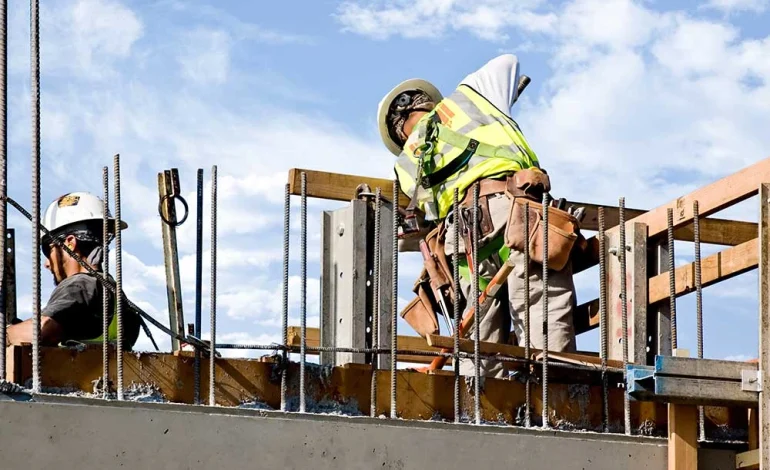
Steel is one of the most important materials used in modern building construction. From supporting large commercial properties to strengthening older residential buildings, steel components help structures handle weight, pressure, and everyday use. However, installing these components requires more than heavy equipment and technical skills. Every steel beam, column, and support must be selected and installed according to the building’s structural requirements.
In New York City, construction work often involves unique challenges. Some buildings are decades old, construction spaces are limited, and renovation projects may require working around existing structural systems. This is why experienced Iron Work Contractors NYC play an important role in construction and building improvement projects.
Whether a property owner is planning a commercial renovation, replacing an existing support, or creating additional interior space, understanding structural iron work can help make the project easier to manage.
Every building needs a reliable system to support its weight. Floors, walls, roofs, equipment, and other building components place different loads on the structure. These loads must be transferred safely through beams, columns, and foundations. Structural iron work helps create and maintain this support system.
Steel is widely used in construction because it offers high strength, durability, and design flexibility. It also allows contractors and engineers to work with different structural layouts without relying entirely on thick masonry or concrete walls.
In NYC, structural steel is commonly used in:
Commercial office buildings and retail spaces.
Residential apartment buildings.
Warehouses and industrial facilities.
Building extensions and major renovations.
Interior modifications requiring additional structural support.
Projects involving damaged or deteriorating structural components.
The right steel solution depends on the building’s design, condition, and intended use. A structural engineer should evaluate these requirements before any major modifications begin.
Steel beam installation is a detailed process. A beam must fit the approved design, carry the intended load, and connect properly with the surrounding structural components. Professional Iron Work Contractors NYC typically coordinate the following stages.
Before starting installation, contractors need to understand the existing conditions of the building. This is particularly important when working on older NYC properties. Previous renovations, aging materials, and hidden structural modifications can affect how new steel components should be installed.
The project team may review:
Existing structural drawings.
Building measurements and dimensions.
Current beam and column locations.
Access points for transporting steel.
Areas that may require temporary support.
A structural engineer evaluates the building and provides the necessary design details. Contractors then use the approved plans to organize the installation work.
Not all steel beams serve the same purpose. Their dimensions, shapes, and specifications depend on the loads they need to carry.
Some commonly used structural steel sections include:
I-Beams: These beams are frequently used for horizontal structural support. Their shape helps distribute loads efficiently.
H-Beams: These sections are often used in heavier structural applications, including columns and large building frames.
Steel Channels: Channel sections can be used for framing, edge support, and other structural applications.
Steel Angles: These components are useful for connections, brackets, reinforcement, and smaller support structures.
Choosing the correct steel section is an engineering decision. Contractors must follow the approved specifications rather than selecting materials based only on appearance or size.
Moving and installing steel components in New York City can be challenging, especially in crowded commercial areas or older buildings. Before installation, contractors need to consider transportation, equipment access, working space, and site safety.
The preparation process may include clearing the work area, arranging lifting equipment, protecting nearby building components, and establishing temporary supports where required. Good preparation can prevent unnecessary delays and help workers complete the installation in an organized manner.
Once the site is ready, contractors position the beams according to the approved structural drawings. Depending on the project, cranes, hoists, or other lifting equipment may be required. The installation team must pay close attention to alignment, bearing surfaces, connection points, and the specified installation sequence.
Steel components may be secured through approved bolted or welded connections. These connections are important because they allow structural loads to transfer between different building elements. Even a properly selected beam may not perform as intended if its connections are incorrectly installed.
After installation, the work may need to be inspected according to the project specifications and applicable building requirements.
Inspections can involve checking beam alignment, connection quality, welding, and other relevant structural details.
Any identified issues should be addressed before additional construction work covers or affects the installed components.
Steel beams are only one part of structural iron work. Different buildings require different types of metal components depending on their design and construction needs.
Here are some common applications.
Steel columns provide vertical support within a building. They help transfer loads from beams and upper structural levels toward the foundation.
They are frequently used in commercial buildings, warehouses, and renovation projects where additional vertical support is necessary.
Over time, certain building components may experience deterioration or damage. In some situations, engineers may recommend additional steel reinforcement to improve structural performance.
The solution could involve adding steel plates, support members, or other engineered components. The appropriate method depends on the source and severity of the structural problem.
A damaged or deteriorating steel beam may require repair or replacement. This type of project needs careful planning because the beam may already be supporting significant building loads.
Temporary support, removal procedures, and replacement installation must follow an engineered plan.
Some projects require steel components that are not available in standard sizes. Custom fabrication allows these components to match specific measurements and structural requirements. These items may include brackets, support frames, connection plates, and specially designed steel sections.
New York City has many older residential and commercial buildings. Renovating these properties often requires a different approach than working on newly constructed structures. One of the biggest challenges is understanding how the existing building was originally constructed.
Older properties may have outdated structural drawings, previous alterations, deteriorating materials, or limited access to important structural areas.
For example, removing an interior wall to create an open commercial space may affect how loads are transferred through the building. Before making the change, engineers must determine whether a new beam or another support system is necessary.
Other common challenges include:
Restricted access: Narrow entrances and limited working areas can make it difficult to transport large steel components.
Existing utilities: Electrical, plumbing, and mechanical systems may interfere with planned installation locations.
Occupied properties: Construction work may need to be coordinated around residents, employees, or customers.
Weather exposure: Exterior steel work may require additional planning to protect materials and workers.
Project coordination: Structural work often depends on other construction activities being completed in the correct order.
Experienced contractors understand the importance of addressing these conditions before work begins.
Steel and concrete are often used together because they perform different but complementary roles in construction. Steel provides strong structural support, while concrete is commonly used for foundations, floors, slabs, and other building elements.
During a commercial renovation, for example, a project may require new steel columns along with concrete foundation modifications. Similarly, a building extension may involve steel framing and concrete slab construction. Professional Concrete Services can support these projects through several types of work.
Foundations transfer building loads into the ground. Steel columns and other structural components must connect to properly designed foundation systems. Any changes to the foundation should be based on engineering requirements and site conditions.
Concrete slabs provide floor surfaces in residential, commercial, and industrial properties. They may also support equipment, walls, and other building components. Proper preparation and installation are important for achieving the required strength and performance.
Cracks, surface deterioration, and damaged concrete can affect a building’s condition. The appropriate repair method depends on the cause and extent of the damage. Addressing concrete problems early can help prevent further deterioration.
Reinforced concrete combines concrete with steel reinforcement bars. The concrete provides compressive strength, while the reinforcement helps resist tensile forces.
This combination is commonly used in foundations, columns, beams, and slabs. When steel and concrete work are completed as part of the same project, proper coordination is essential. Each stage must follow the approved engineering design.
Choosing a contractor is an important decision, particularly when the work involves structural components. Instead of focusing only on the project price, property owners should consider the contractor’s experience, working methods, and ability to coordinate with other construction professionals.
Here are a few things worth reviewing:
Relevant Construction Experience: Ask about previous projects involving steel beams, columns, structural supports, and similar installation work.
Insurance and Safety Practices: Confirm that the contractor has appropriate insurance coverage and follows applicable workplace safety requirements.
Understanding of Project Drawings: Structural installation requires close attention to engineering documents and construction specifications.
Equipment and Resources: Check whether the contractor has access to the equipment and workforce needed for the project.
Project Coordination: Structural iron work often involves engineers, architects, general contractors, and other trades. Good communication helps keep everyone on the same page.
A reliable contractor should also be willing to explain the work involved, discuss project requirements, and identify potential construction challenges.
Structural improvements require a combination of planning, technical understanding, and quality construction work. From steel support installation to other building improvements, every stage should be handled according to the project’s requirements. Sigma Builders INC serves the New York City construction market with building-related services, including iron work and concrete services.
For property owners planning structural improvements, the first step is understanding what the building needs. A qualified engineer can evaluate structural conditions and provide the necessary recommendations. The construction team can then coordinate the work based on the approved plans.
Whether the project involves steel beams, structural supports, or concrete-related improvements, proper planning helps avoid unnecessary complications and supports better construction results. If you are considering structural work for a residential or commercial property, Sigma Builders INC can be a point of contact for discussing your construction requirements.
Iron work contractors may handle structural steel installation, I-beam installation, steel columns, reinforcement, custom steel fabrication, and other metal construction work.
A building may need a steel beam when a load-bearing wall is being removed, an existing support requires replacement, or a renovation changes the building’s structural layout. A structural engineer should assess the situation before work begins.
Yes. Steel beams are commonly used in older building renovations. However, their installation must account for the existing structure, building condition, load requirements, and approved engineering plans.
Structural iron work involves components that support or reinforce a building. Ornamental iron work focuses more on decorative elements, such as railings, gates, and decorative metal features.
Depending on the scope of work, structural modifications may require construction permits, approved plans, and inspections under applicable NYC requirements. Property owners should confirm the requirements for their specific project.
Yes. Many building projects involve both materials. Steel beams, columns, and reinforcement may be used alongside concrete foundations, slabs, and other structural components.
Steel beams and structural supports are essential to many NYC construction and renovation projects. However, their performance depends on proper engineering, material selection, installation, and inspection.
Working with experienced Iron Work Contractors NYC can help property owners manage structural improvements with greater attention to planning and workmanship. From I-beam installation and steel columns to reinforcement and concrete-related construction, each part of the project needs to be handled according to its specific requirements.
Sigma Builders INC understands the importance of quality construction and coordinated building improvements. Whether you are planning a commercial renovation or addressing structural support needs, taking the right steps before construction begins can make a significant difference in the final result.