
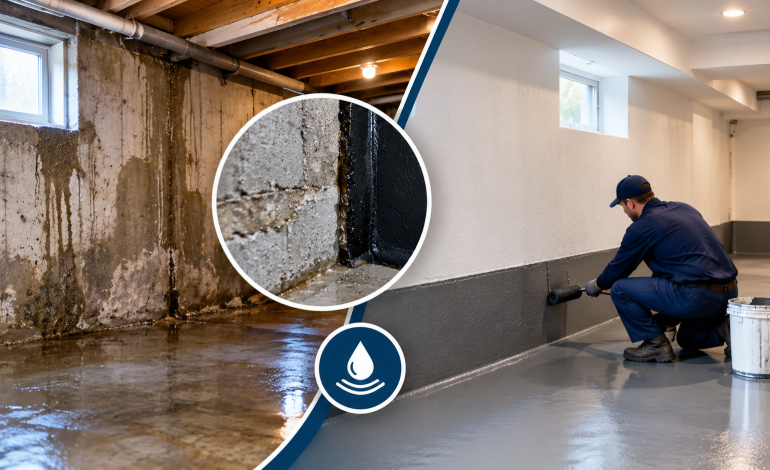
Basement water problems are common in many buildings, especially in areas where heavy rain, groundwater, aging foundations, and poor drainage can put extra pressure on below-grade spaces. A small amount of moisture may seem harmless at first, but repeated water intrusion can eventually lead to damaged walls, unpleasant odors, mold growth, and structural concerns.
For property owners, identifying the source of basement water early can make repairs easier and help prevent more expensive damage. Professional Basement Waterproofing Contractors NYC can inspect the affected area, determine why water is entering, and recommend a suitable waterproofing solution.
For NYC property owners, understanding the most common basement water problems is the first step toward protecting a building.
Basements are located below ground level, which means they are naturally exposed to moisture from surrounding soil. When rainwater or groundwater is not properly directed away from a building, hydrostatic pressure can push moisture through cracks, joints, porous masonry, and other weak points.
Several factors can contribute to basement water problems, including:
Finding the actual source is important because simply covering a wet wall does not solve the underlying problem.
Cracks in foundation walls are one of the most noticeable signs of potential water intrusion. Some cracks develop as concrete naturally settles, while others can result from soil pressure, temperature changes, or foundation movement.
Water can travel through these openings and enter the basement during periods of heavy rainfall or increased groundwater levels.
Professional contractors typically inspect the size, location, and condition of the crack before determining the appropriate repair method. Depending on the situation, repairs may involve sealing, injection systems, exterior waterproofing, or other corrective measures.
Water can sometimes enter through the basement floor rather than the walls. This often happens when groundwater pressure rises beneath the building.
You may notice:
A waterproofing professional can evaluate the floor, drainage conditions, and surrounding foundation to determine where the moisture is coming from.
Basement walls can allow water to enter when they have cracks, deteriorated masonry, failed coatings, or improperly sealed joints.
Older buildings may be particularly vulnerable because waterproofing systems can deteriorate over time. Professional waterproofing contractors can identify vulnerable areas and determine whether the problem requires localized repairs or a more comprehensive waterproofing approach.
Water management outside the building plays an important role in keeping basements dry.
If rainwater collects near the foundation instead of flowing away from the building, it can increase moisture levels around foundation walls. Damaged gutters, blocked downspouts, and poor grading can make the situation worse.
Correcting drainage problems may involve improving water flow, repairing drainage components, extending downspouts, or making other exterior improvements.
Hydrostatic pressure occurs when water accumulates in the soil surrounding or beneath a foundation. As pressure increases, water can find its way through cracks, joints, and other openings.
This problem can become more noticeable after prolonged rainfall or during periods when groundwater levels rise.
Waterproofing contractors assess the surrounding conditions and may recommend drainage improvements, sump pump systems, interior drainage solutions, exterior waterproofing, or a combination of methods.
A basement does not have to be visibly flooded to have a moisture problem. Constant dampness can create an environment where mold and mildew may develop.
Common warning signs include:
The moisture source should be addressed rather than simply cleaning the visible symptoms. Waterproofing and moisture-control measures can help reduce the conditions that contribute to recurring dampness.
The right repair depends on the cause, severity, and location of the water intrusion. Professional contractors generally begin with an inspection instead of immediately recommending a particular product or repair.
The first step is identifying where water is entering and how frequently the problem occurs. Contractors may examine foundation walls, floors, cracks, drainage systems, gutters, downspouts, and other areas that could contribute to moisture intrusion.
Water can enter from several different locations, so finding the source is essential. A contractor may determine whether the problem is related to surface water, groundwater, foundation cracks, drainage, plumbing, or another issue.
Once the source has been identified, the contractor can recommend a suitable solution. Depending on the property, options may include:
Not every basement requires the same solution. A professional assessment helps avoid unnecessary work and focuses repairs on the actual cause.
After the waterproofing approach is selected, damaged areas are repaired and appropriate moisture-control measures are installed. Proper installation is important because poorly completed waterproofing work may fail to address the source of the problem.
Waterproofing should not only focus on existing leaks. Contractors can also identify conditions that may contribute to future problems, such as poor drainage or vulnerable foundation areas. Regular inspection and maintenance can help property owners detect new issues before they become more serious.
There are two common approaches to basement waterproofing: interior and exterior solutions.
Interior waterproofing generally addresses water after it reaches the inside of the foundation. Depending on the property, this can include drainage channels, sump pump systems, crack repairs, and other interior moisture-control measures.
Exterior waterproofing focuses on the outside of the foundation. It may involve excavation, repairing foundation surfaces, applying waterproofing materials, and improving drainage around the building.
The appropriate approach depends on the condition of the property and the source of the water. In some situations, contractors may recommend combining multiple solutions.
Some basement problems are easy to notice, while others develop gradually. Consider arranging a professional inspection if you notice:
Addressing these warning signs early can help prevent moisture problems from becoming more extensive.
DIY solutions may temporarily hide a leak without addressing the reason water is entering the basement. For example, painting over a damp wall may improve its appearance temporarily, but it will not necessarily stop water from reaching the wall.
Professional waterproofing contractors evaluate the entire situation and develop a solution based on the property’s specific conditions. This approach can provide better long-term moisture control and help protect the building from repeated water-related damage.
When searching for Basement Waterproofing Contractors NYC, property owners should look beyond price alone. Experience, inspection methods, communication, workmanship, and the type of waterproofing solutions offered are all important considerations.
A reliable contractor should be able to explain:
Clear communication can help property owners understand the work before it begins.
At Sigma Builders INC, we understand that basement water problems can have different causes and require different solutions. Our approach focuses on identifying the source of moisture and determining practical waterproofing and repair options for the property.
Whether the issue involves foundation cracks, water seepage, drainage concerns, or persistent basement dampness, a professional assessment can help determine the next step.
Proper basement waterproofing is an important part of maintaining a healthier, more protected building. If you are experiencing recurring basement water problems, addressing the source early can help protect your property and reduce the risk of more extensive damage in the future.
Common causes include foundation cracks, poor drainage, groundwater pressure, damaged waterproofing systems, clogged gutters, and improper grading around the building.
Contractors inspect foundation walls, floors, cracks, joints, drainage systems, and exterior conditions to identify where moisture is entering and determine the likely source.
Neither method is automatically right for every property. The appropriate solution depends on the source of the water, foundation condition, drainage, accessibility, and other site-specific factors.
A properly designed waterproofing system can help control water intrusion and reduce the risk of recurring moisture problems. Regular maintenance is also important for long-term performance.
You should consider contacting a professional when you notice recurring leaks, foundation cracks, damp floors, water stains, mold, musty odors, or other signs of persistent basement moisture.
Basement water problems should not be ignored, even when the signs seem minor. Leaks, damp walls, foundation cracks, and poor drainage can become more serious over time if the underlying cause is not addressed. Identifying the source of water intrusion and choosing the right waterproofing solution can help protect your property and reduce the risk of recurring moisture damage.
For property owners looking for professional solutions, Sigma Builders INC provides reliable basement waterproofing and building services focused on addressing water-related concerns with practical, property-specific solutions. A professional inspection can help determine the cause of the problem and identify the appropriate next steps for a safer, drier, and better-protected basement.
Leave A Reply