
Brick buildings can last for generations, but even strong masonry needs maintenance over time. Exposure to rain, snow, changing temperatures, wind, and everyday wear can gradually weaken the mortar joints between bricks. When these joints begin to crack, crumble, or deteriorate, water can enter the wall and cause more serious damage.
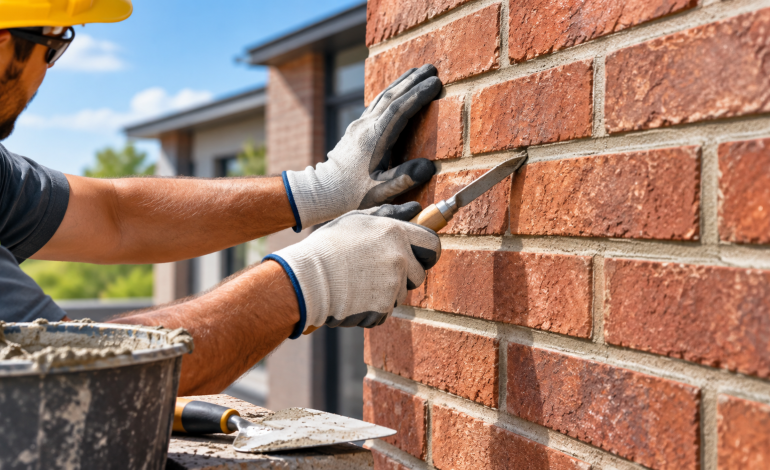
This is where professional Brick Pointing Contractors play an important role. Brick pointing, also known as repointing, involves removing damaged mortar and replacing it with fresh mortar to restore the strength, appearance, and weather resistance of a masonry wall.
For property owners, timely pointing work can be a practical way to protect aging brickwork and avoid more expensive repairs later.
Brick pointing is the process of repairing the mortar joints between bricks. Over the years, mortar can become soft, cracked, or loose because of moisture, temperature changes, and natural aging. During a pointing project, damaged mortar is carefully removed to an appropriate depth. The joints are then cleaned and filled with new mortar that is selected to work properly with the existing brickwork.
The goal is not simply to make a wall look better. Proper pointing helps keep the masonry stable and reduces the risk of moisture getting behind the brick surface.
Older masonry can show several signs that the mortar joints are no longer performing properly. Cracks, gaps, crumbling mortar, and areas where the joints have become noticeably recessed can indicate deterioration. Moisture is one of the biggest concerns. Damaged mortar can allow rainwater to enter the masonry system. During colder weather, trapped moisture may freeze and expand, placing additional stress on the surrounding materials.
If deterioration continues without attention, it can contribute to loose bricks, interior moisture problems, and larger sections of masonry requiring repair.
Professional restoration generally involves several important steps. The exact approach depends on the building’s age, brick condition, mortar type, and extent of deterioration.
The first step is a careful inspection of the masonry. Professionals look for cracked or missing mortar, damaged bricks, moisture-related problems, and areas where the wall may require additional repair. This assessment helps determine whether localized pointing is sufficient or whether more extensive masonry work is necessary.
Deteriorated mortar must be removed before new material can be installed. This work requires care because aggressive removal methods can damage the edges of otherwise sound bricks. Experienced contractors use appropriate tools and techniques to remove failing mortar while protecting the surrounding masonry.
After the damaged mortar has been removed, the joints are cleaned to eliminate loose particles and debris. A clean surface allows the new mortar to bond properly with the existing masonry. This preparation step is important for achieving a durable and consistent repair.
Mortar selection matters, especially when working on older buildings. The new mortar should be compatible with the existing brick and masonry system. Using an overly hard mortar on older, softer brick can create problems over time. Contractors consider factors such as the existing mortar, brick type, building age, and exposure conditions when selecting a suitable replacement.
Fresh mortar is carefully placed into the prepared joints. The joints are filled properly and finished to achieve a neat appearance while helping the wall resist moisture penetration. Good workmanship is important because poorly installed pointing may deteriorate prematurely.
Once the work is completed, the repaired areas are inspected to ensure the joints are properly filled and finished. Any remaining debris or mortar residue is addressed so the masonry has a clean, consistent appearance.
Property owners should pay attention to visible changes in their masonry. Common warning signs include:
A professional inspection can help determine the cause of these problems and whether repointing is an appropriate solution.
Properly maintained mortar joints can provide several benefits for a masonry building.
Improved weather resistance: New mortar helps reduce pathways through which rainwater can enter the wall.
Better masonry stability: Damaged joints can weaken the overall masonry system. Repointing restores support between individual bricks.
Extended service life: Addressing mortar deterioration early can help protect surrounding masonry from unnecessary damage.
Improved appearance: Freshly repaired joints can significantly improve the appearance of an aging brick façade.
Reduced repair costs: Routine masonry maintenance may help prevent minor deterioration from developing into larger and more expensive problems.
Brick pointing may appear straightforward, but the quality of the repair depends heavily on preparation, mortar selection, joint depth, installation technique, and finishing.
A professional contractor understands that every masonry building is different. Older brickwork may require a different mortar approach than newer construction, and the repair method should be selected according to the existing conditions.
Improper pointing can cause problems rather than solve them. For example, using incompatible mortar or damaging brick edges during mortar removal can shorten the life of the repair.
Repointing is only one part of maintaining a brick building. Property owners should also monitor the masonry regularly and address water-related problems promptly.
Roof drainage, gutters, flashing, window openings, and other areas around the façade should be checked because water entering from these locations can contribute to masonry deterioration. Regular inspections make it easier to identify small problems before they develop into major repairs.
At Sigma Builders INC, we understand the importance of maintaining strong and durable masonry. Our approach focuses on identifying deteriorated areas, repairing damaged mortar joints, and helping property owners protect their brickwork for the long term.
Whether a building has localized mortar deterioration or more extensive masonry concerns, a professional assessment can help determine the right repair approach.
If you notice cracked, missing, or crumbling mortar around your property, addressing the problem early can help prevent further deterioration. Professional brick pointing can restore damaged joints, improve weather resistance, and help preserve the character of an aging masonry structure.
Aging brickwork does not always require complete replacement. In many cases, deteriorated mortar joints can be repaired through careful pointing and repointing work.
By removing failing mortar, preparing the joints, selecting compatible materials, and installing new mortar correctly, professional contractors can help restore the performance and appearance of older masonry. For property owners looking to preserve their brick buildings, timely inspection and maintenance are important investments in the long-term condition of the structure.
Leave A Reply