
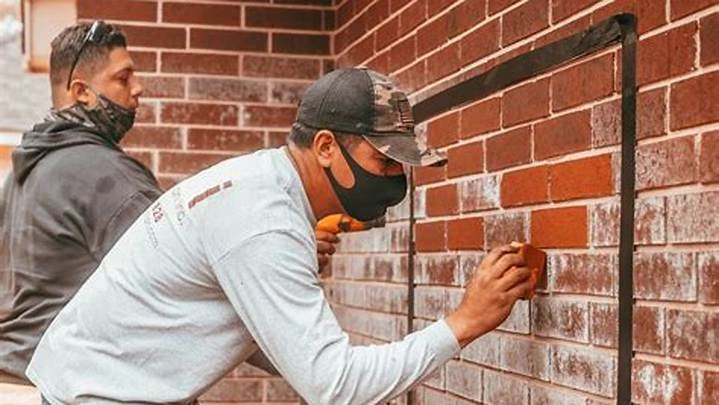
Brick buildings are an important part of New York City’s character. From traditional brownstones to busy commercial properties, brick exteriors offer durability and a distinctive appearance. However, years of exposure to rain, snow, changing temperatures, and pollution can gradually affect even well-constructed buildings.
At first, the damage may seem minor. A little crumbling mortar, a few cracked bricks, or discoloration around the exterior might not appear serious. But when these problems are ignored, moisture can enter the masonry, repairs can become more extensive, and the building’s exterior may begin to deteriorate.
This is why professional Brick Restoration Contractors NYC are important for property owners who want to maintain their buildings over time. Through careful inspections, appropriate masonry repairs, and preventive maintenance, contractors can help preserve brickwork and reduce the risk of recurring damage.
For residential and commercial property owners, understanding when brick restoration is needed can make building maintenance easier to manage.
New York City buildings face several environmental challenges throughout the year. Heavy rainfall, winter freezing, summer heat, and everyday exposure to urban pollution can gradually wear down exterior masonry. Mortar joints are particularly vulnerable because they help hold bricks together and limit water entry through the gaps between them. As mortar becomes weak or begins to crumble, moisture can find its way into the wall.
Water can also enter through damaged flashing, open joints, cracks, and poorly maintained connections around windows or rooflines. Once moisture reaches vulnerable areas, it may contribute to brick deterioration, interior leaks, and damage to surrounding materials.
Regular maintenance helps property owners identify these problems before they spread. Rather than waiting until a large section of the exterior requires attention, owners can arrange repairs when early warning signs appear.
Brick damage does not always develop suddenly. In many cases, the building provides visible signs that its masonry needs professional attention.
Bricks can develop cracks or lose pieces of their outer surface because of moisture, freeze-thaw cycles, physical damage, or other conditions. Damaged bricks may allow additional moisture to enter the masonry and should be assessed to determine whether repair or replacement is appropriate.
Take a close look at the mortar between the bricks. If it is cracking, falling out, or turning into loose powder, the joints may no longer provide adequate protection against water entry.
Repointing can restore deteriorated joints when the surrounding brickwork remains suitable for repair. The replacement mortar should be compatible with the existing masonry.
Dark patches, persistent damp areas, and white mineral deposits can indicate moisture movement through brickwork. These signs do not always identify the exact source of a leak, but they are reasons to investigate the exterior.
Simply cleaning the affected area may improve its appearance without correcting the underlying problem. A proper assessment should consider nearby joints, flashing, roof edges, and other potential entry points.
Brickwork that appears uneven, bulging, or separated from the surrounding wall requires particular attention. These conditions may indicate a more serious problem with the masonry or its connections.
Loose or displaced bricks can present a safety hazard. Property owners should arrange a prompt professional assessment and keep people away from potentially dangerous areas.
Professional restoration is not simply about making a brick wall look new. The goal is to understand what has caused the damage, select appropriate repair methods, and help prevent the same problems from returning.
Before starting repairs, contractors assess the condition of the brickwork and mortar joints. They look for cracks, missing mortar, damaged bricks, signs of moisture, and other visible defects. The inspection may also identify problems around windows, parapets, rooflines, and other areas where different building materials meet.
Understanding the cause of deterioration helps determine the most suitable repair approach. For example, replacing damaged bricks without correcting an ongoing water entry problem may lead to further deterioration.
Not every damaged brick needs to be replaced. Some defects can be managed through appropriate localized repairs, while severely cracked or spalled bricks may require replacement.
When replacement is necessary, the new bricks should be selected with consideration for their size, appearance, and physical properties. This is particularly important when restoring older buildings, where an obvious mismatch can affect the overall appearance of the facade.
Careful workmanship helps maintain the consistency of the exterior while addressing areas that have deteriorated.
Mortar joints play a major role in the performance of brick masonry. When mortar becomes damaged, water can enter the wall more easily, and individual bricks may become less secure. Repointing involves removing deteriorated mortar from the joints and replacing it with suitable new mortar. The work requires care because cutting too deeply or using an incompatible mortar can damage the surrounding bricks.
For older properties, mortar selection deserves particular attention. A mortar that is too hard for the existing brick can contribute to damage rather than protect the masonry. Proper repointing helps restore the joints and supports the long-term condition of the wall.
Moisture is one of the main concerns in exterior brick maintenance. Water entering through defective joints or damaged building components can contribute to staining, deterioration, and recurring leaks. Experienced contractors assess visible moisture-related defects and recommend suitable repairs. Depending on the findings, the work may involve repointing, replacing damaged bricks, repairing sealants, or addressing related flashing problems.
The important point is to identify where the water is coming from. A surface repair alone may not be enough if the underlying source remains.
Brick restoration is especially valuable when a property has architectural features that owners want to preserve. Historic brownstones and older commercial buildings often have distinctive brick colors, patterns, and detailing.
Using suitable replacement materials and appropriate repair techniques helps maintain these features. Contractors should also select cleaning methods carefully because aggressive cleaning can damage the brick surface. The right restoration approach balances the building’s appearance with its long-term performance.
Brick restoration focuses on repairing and preserving brick masonry. Facade renovation is broader and may involve several components of a building’s exterior.
For example, a commercial property may have deteriorated mortar joints, damaged sealants around windows, cracked masonry, and defects near the roofline. Repairing only the visible brick damage may leave other sources of water infiltration unresolved.
This is where Facade Renovation Contractors can contribute to a more comprehensive maintenance plan. Depending on the building’s condition and project scope, facade renovation may include masonry repairs, exterior joint maintenance, replacement of damaged materials, and coordination of related building-envelope work.
For property owners, the benefit is a more complete understanding of the exterior’s condition. When related defects are identified and addressed together, repairs can be planned more effectively.
Some NYC buildings are also subject to specific facade inspection and maintenance requirements. Owners should confirm which regulations apply to their property and use appropriately qualified professionals for required inspections and repair work.
Putting off masonry repairs may seem like a way to avoid immediate expenses. However, small defects can become more complicated when water continues to enter the building or damaged materials continue to deteriorate.
Timely restoration offers several practical benefits.
It helps limit further deterioration. Repairing defective joints and damaged bricks can address vulnerable areas before the problems spread.
It supports building maintenance planning. An assessment helps owners understand which repairs are necessary and which areas may require monitoring.
It improves exterior appearance. Replacing unsuitable materials, repairing mortar joints, and addressing visible damage can make a property look better maintained.
It helps address safety concerns. Loose masonry and displaced bricks can create risks for pedestrians and occupants. Prompt evaluation helps determine what corrective work is required.
It helps preserve existing materials. Where the original brickwork remains suitable for repair, restoration may allow owners to retain more of the existing masonry instead of replacing larger sections.
The results depend on the building’s condition, the quality of the work, and whether the underlying causes of deterioration are properly addressed.
Choosing a contractor requires more than comparing prices. Brick restoration methods must suit the building’s materials, condition, and exposure to moisture.
Before hiring a contractor, consider the following points.
Ask whether the contractor has worked on properties similar to yours. Historic brick buildings, commercial facades, and newer masonry structures can require different repair methods.
A professional contractor should explain the visible problems, the recommended repairs, and any concerns that require further evaluation. Be cautious of proposals that recommend covering cracks without investigating their possible cause.
The materials used in restoration should work with the existing masonry. This is particularly important for older buildings, where inappropriate materials can accelerate deterioration.
A written estimate should describe the affected areas, proposed repair methods, materials, access arrangements, and any work that is excluded. This makes it easier to understand what the project covers.
Confirm that the contractor has appropriate insurance, qualifications, and safety procedures for the project. Work involving elevated facades, scaffolding, or sidewalk protection may require additional planning.
A low estimate is not necessarily the best option if it leaves important defects unaddressed. Compare the proposed solutions, material quality, workmanship, and warranty terms before making a decision.
Every building has different maintenance requirements. A residential brownstone may need localized repointing and brick replacement, while a commercial building may require a more extensive assessment of its exterior masonry.
Sigma Builders INC provides construction and exterior restoration services in New York City. Property owners dealing with aging brickwork, damaged mortar joints, or deteriorating exterior masonry can discuss their project requirements with the company to determine the appropriate next steps.
The first step is understanding the condition of the building and identifying the repairs that are actually needed. Depending on the findings, the project may involve localized brick restoration or coordination with broader facade renovation work.
Planning repairs around the building’s condition helps owners make informed decisions about maintenance, appearance, and long-term protection.
Brick Restoration Contractors NYC repair and preserve brick masonry through services such as repointing, brick replacement, crack repair, and localized masonry restoration. The appropriate work depends on the condition of the building and the cause of the damage.
Common warning signs include crumbling mortar, cracked or flaking bricks, water stains, missing mortar, and loose masonry. A qualified professional can assess these conditions and recommend suitable repairs.
When the existing masonry remains suitable for repair, restoration may preserve more original material and avoid unnecessary replacement. However, extensive deterioration or structural problems may require more substantial work.
Repointing replaces deteriorated mortar in brick joints. When performed correctly with compatible materials, it helps reduce water entry through defective joints and supports the durability of the masonry.
It can address leaks caused by damaged mortar joints or defective brickwork. However, if water enters through flashing, windows, roofing, or other building components, those problems must also be investigated and corrected.
The cost depends on the amount of damage, the height and accessibility of the building, material requirements, labor, and the complexity of the repairs. A site assessment and written estimate provide a more reliable cost range.
Contact a professional when you notice deteriorating mortar, damaged bricks, recurring moisture stains, or new cracks. Loose, falling, or displaced masonry should be treated as a priority because it may pose a safety risk.
Not always. A building with isolated mortar deterioration may need only localized masonry repairs. If other exterior components are damaged, a broader facade assessment may help identify additional work that should be coordinated with the brick restoration.
Brick buildings can last for generations, but their exteriors need proper care to withstand New York City’s weather and environmental conditions. Crumbling mortar, damaged bricks, and recurring moisture problems should not be ignored, especially when they continue to worsen.
Professional Brick Restoration Contractors NYC help property owners identify masonry defects, repair damaged areas, and preserve the condition of their buildings. With appropriate materials, careful workmanship, and attention to the underlying causes of deterioration, restoration can support long-term building maintenance.
Sigma Builders INC can help NYC property owners explore brick restoration and exterior renovation requirements. Addressing masonry problems at the right time is a practical way to protect the building, maintain its appearance, and plan for its future.
Leave A Reply