
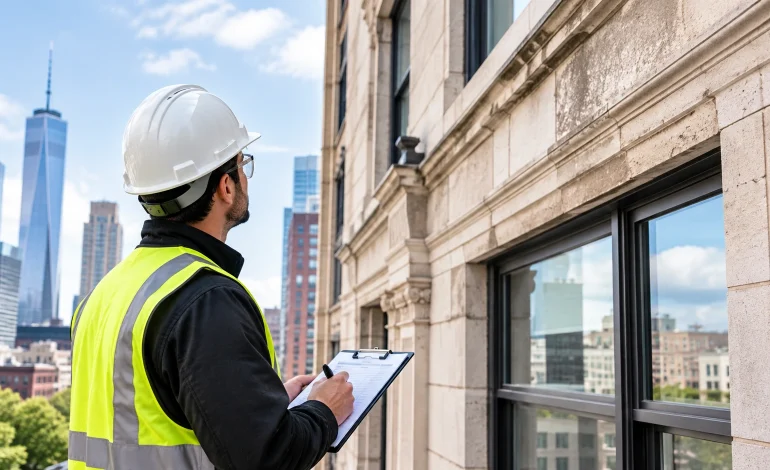
A building’s facade is constantly exposed to rain, wind, temperature changes, pollution, and other environmental conditions. Over time, these factors can cause cracks, deteriorating mortar, water infiltration, and damage to exterior materials. When these problems are left untreated, they can lead to expensive restoration projects and serious building safety concerns.
Facade inspection services help property owners identify exterior defects before they develop into larger problems. By evaluating the condition of brickwork, concrete, stone, exterior walls, and other building components, professional inspections provide valuable information for planning repairs and maintaining a property’s long-term condition. For building owners and property managers in New York City, regular facade maintenance is particularly important. Older buildings, changing weather conditions, and local facade safety requirements make proactive inspections an essential part of responsible property management.
Sigma Builders INC understands the importance of maintaining safe and durable building exteriors. Knowing when to inspect a facade, which warning signs to look for, and how to address deterioration can help property owners protect their investments and manage maintenance costs more effectively.
Facade inspection services involve examining a building’s exterior to identify visible deterioration, potential safety hazards, and conditions that may require maintenance or further investigation. A facade includes the exterior surfaces and components that protect a building from weather and environmental exposure. Depending on the construction, these may include brick masonry, concrete walls, stone cladding, parapets, balconies, exterior joints, and areas surrounding windows and doors.
A professional facade inspection helps determine whether these components remain in satisfactory condition or require corrective work.
Common areas examined during a facade assessment include:
The inspection findings help property owners understand the condition of their buildings and decide which issues require immediate attention.
New York City contains buildings of different ages, sizes, and construction types. Many properties experience continuous exposure to rain, snow, wind, pollution, and seasonal temperature changes. These conditions can gradually affect exterior materials and contribute to facade deterioration. For property owners, ignoring early signs of damage can increase repair costs and create unnecessary risks.
Professional facade inspection services are important for several reasons.
Early identification of defects: Inspections can reveal cracks, loose masonry, and deteriorating sealants before additional damage develops.
Improved building safety: Identifying unstable exterior materials helps property owners arrange appropriate evaluations and corrective work.
Better maintenance planning: Inspection findings help managers prioritize repairs according to their urgency and scope.
Protection against water damage: Identifying potential entry points can help reduce moisture-related deterioration and recurring leaks.
Support for regulatory compliance: For buildings covered by New York City’s Facade Inspection Safety Program, inspections and required filings must follow the applicable regulations.
A proactive inspection strategy gives building owners a clearer understanding of their responsibilities and helps them avoid relying entirely on emergency repairs.
Cracks are among the most noticeable signs of facade deterioration. They may appear in brickwork, concrete, stone, or mortar joints due to temperature fluctuations, moisture exposure, material movement, or other building conditions. Some cracks are primarily cosmetic, while others may indicate a more serious issue. Their significance depends on their location, pattern, width, progression, and the materials involved. Facade inspection services help identify these defects and determine whether monitoring, localized repairs, or additional professional evaluation is appropriate.
For example, a small crack around a window opening may allow rainwater to enter the exterior wall. If the source remains untreated, moisture can damage nearby materials and lead to more extensive repairs. Addressing the underlying problem early can help preserve the surrounding facade and reduce unnecessary restoration expenses.
Water infiltration is a common cause of building deterioration. Rainwater can enter through failed sealants, cracked masonry, deteriorated mortar, damaged flashing, and defective waterproofing details. Once moisture reaches vulnerable building components, it may damage interior finishes, insulation, metal connections, and surrounding construction materials.
A facade inspection can help identify visible evidence of water entry and areas that require closer examination.
Depending on the findings, corrective work may involve:
The right repair depends on the source of the moisture. Treating interior stains without correcting the exterior defect may allow the problem to return. For NYC property owners, early identification of water infiltration can help prevent repeated repairs and protect the building envelope.
Brick and masonry are widely used in New York City’s residential and commercial buildings. Although these materials can be durable, prolonged exposure to moisture and weather can gradually weaken mortar joints and damage individual masonry units. Deteriorated mortar may allow water to enter the wall system. Cracked or displaced bricks can also indicate a need for closer assessment.
During a facade inspection, professionals evaluate the visible condition of masonry surfaces and identify areas where deterioration may be progressing. Depending on the severity, recommended repairs may include repointing mortar joints, replacing damaged bricks, repairing cracks, or investigating the cause of recurring moisture. Timely masonry restoration can help protect surrounding materials and reduce the likelihood of more extensive facade rehabilitation.
Loose bricks, stone panels, concrete fragments, and deteriorating exterior components can create serious safety concerns, especially in densely populated areas.These conditions may develop because of moisture penetration, corrosion, material deterioration, or failures in connections and anchoring systems. Facade inspection services help identify visible warning signs that may require additional investigation or urgent corrective action.
If a component appears unstable, property owners should arrange prompt professional assessment and implement appropriate safety measures. Repairs should not be delayed when there is a potential risk to pedestrians or building occupants. Early identification can help reduce the likelihood of falling debris, emergency work, and damage to nearby property.
Windows, doors, and other facade openings can be vulnerable to water infiltration when sealants, flashing, or surrounding materials deteriorate. Small gaps around these areas may allow moisture to enter the wall system. Repeated exposure can damage adjacent masonry, interior finishes, and other building components.
An exterior inspection can help identify failed sealants, deteriorated joints, damaged materials, and visible moisture-related defects. Depending on the findings, repairs may include replacing sealants, repairing surrounding masonry, or correcting flashing and waterproofing details. These targeted repairs can help prevent recurring leaks and reduce the need for more extensive work later.
Emergency facade repairs can be difficult to manage because they may require immediate contractor availability, specialized access equipment, temporary protective measures, and urgent coordination. Unexpected problems can also disrupt building operations and interfere with planned maintenance budgets. Regular inspections provide property owners with an opportunity to identify repair needs before they become emergencies.
For example, a planned masonry repair may be easier to schedule than a project involving loose bricks that require immediate attention. Early identification also gives owners time to coordinate qualified professionals, evaluate the scope of work, and plan appropriate funding. Although inspections have an upfront cost, they can support more predictable maintenance decisions and help reduce avoidable repair expenses.
Building facades represent a significant investment. Maintaining them properly can help preserve their performance and appearance over time. Different materials require different maintenance approaches. Brickwork may need mortar repairs, concrete may require investigation of cracking or corrosion, and exterior joints may need sealant replacement.
Facade inspection services help identify where maintenance is needed and which defects should receive priority. Rather than replacing large sections of a facade unnecessarily, property owners may be able to address localized problems before they spread. The appropriate solution depends on the inspection findings and the condition of the surrounding materials. Consistent maintenance can help protect the building envelope, preserve property value, and support long-term asset management.
Building owners should pay attention to visible changes in the exterior, especially when defects appear repeatedly or become more pronounced. The following warning signs may indicate a need for professional evaluation:
| Warning sign | Why it matters |
|---|---|
| Cracked brickwork or concrete | May indicate material deterioration or movement that needs assessment |
| Missing or crumbling mortar | Can allow moisture to penetrate the masonry |
| Loose bricks or stone | May create a falling-material hazard |
| Water stains on exterior walls | Can indicate water infiltration or drainage problems |
| Rust stains | May indicate corrosion of metal components or reinforcement |
| Bulging or displaced masonry | Requires prompt evaluation for possible instability |
| Failed window sealants | Can contribute to leaks and deterioration around openings |
| Repeated interior water leaks | May indicate unresolved exterior defects |
These signs do not automatically mean that a building has a structural problem. However, they should be evaluated in context by an appropriately qualified professional. If exterior materials appear loose or are falling, the situation should be treated as a potential safety concern rather than postponed as routine maintenance.
Building facade maintenance in New York City is closely connected to public safety. Certain buildings are subject to the city’s Facade Inspection Safety Program (FISP), commonly known as Local Law 11. FISP establishes requirements for periodic facade examinations of covered buildings. These examinations must be performed by a Qualified Exterior Wall Inspector (QEWI), and applicable reports and corrective actions must follow the current requirements of the New York City Department of Buildings.
The program helps identify deteriorating exterior conditions that could endanger pedestrians, occupants, or nearby property.
Property owners should understand whether their buildings are covered by the program and when their next inspection and filing deadlines apply.
Important considerations include:
A general maintenance inspection is not automatically a substitute for a required FISP examination. Building owners should confirm the necessary qualifications, documentation, and scope before arranging inspection work.
By planning ahead, property managers can better coordinate inspections, address deterioration, and avoid preventable delays in meeting applicable requirements.
The inspection process depends on the building’s height, construction materials, exterior condition, accessibility, and the purpose of the assessment.
The process may begin with a review of available construction documents, previous inspection reports, maintenance records, and known repair issues. This background helps identify recurring problems and areas that may require particular attention.
The facade is examined for visible defects such as cracks, deteriorated mortar, damaged sealants, water stains, displaced materials, and other signs of deterioration. For taller buildings, appropriate access methods may be needed to evaluate areas that cannot be examined adequately from the ground.
The inspector may document observed conditions through photographs, notes, measurements, and other records. The extent of documentation depends on the scope of the inspection and any applicable regulatory requirements.
The findings help identify which conditions require urgent attention, which repairs can be scheduled, and which areas need additional monitoring or investigation. Potential structural concerns may require further assessment by an appropriately qualified engineer or other specialist.
Once the inspection findings are understood, property owners can arrange the necessary repairs. These may include masonry restoration, concrete repairs, sealant replacement, waterproofing work, or other facade maintenance. A clear repair plan helps owners prioritize safety, coordinate contractors, and manage costs more effectively.
Choosing the right professionals is important because facade problems can involve multiple building systems and construction materials. Property owners should consider the following factors before arranging an inspection or repair project.
Relevant experience: Look for professionals with experience evaluating the building’s exterior materials and the types of defects involved.
Appropriate qualifications: Verify that the professional holds the qualifications required for the specific inspection, especially when FISP compliance is involved.
Clear documentation: Inspection findings should explain the observed conditions and identify recommended next steps within the agreed scope.
Understanding of building regulations: NYC property owners should work with professionals who understand the applicable facade inspection and filing requirements.
Repair planning: If corrective work is needed, the proposed scope should address the underlying cause rather than simply cover visible damage.
Safety and access planning: Facade work may require specialized equipment, access arrangements, and measures to protect occupants and pedestrians.
Sigma Builders INC provides construction-related services for New York City property owners and building managers. When facade deterioration is identified, coordinating the appropriate inspection, technical evaluation, and repair work can help owners make better-informed maintenance decisions.
Property owners should confirm that each professional engaged for the project is appropriately qualified for their assigned responsibilities.
Facade maintenance is not simply about improving a building’s appearance. It is an important part of protecting the structure, managing risks, and preserving the property’s long-term value. A proactive approach allows owners to identify developing problems, prioritize essential repairs, and plan maintenance according to the building’s actual condition. The benefits include better repair planning, reduced likelihood of unexpected deterioration, improved protection against moisture, and greater awareness of potential safety concerns.
For commercial property managers, planned maintenance can also make it easier to coordinate contractors, manage budgets, and reduce disruptions to tenants and occupants. The most effective approach combines regular monitoring, appropriate professional inspections, timely corrective work, and compliance with applicable building regulations.
Facade inspection services play an important role in protecting buildings from preventable deterioration and expensive repairs. By identifying cracks, failing sealants, water infiltration, damaged masonry, and loose exterior materials, inspections help property owners understand the condition of their buildings and take appropriate action. For NYC building owners, regular facade maintenance also supports better preparation for applicable facade safety requirements, including the city’s Facade Inspection Safety Program.
Ignoring visible deterioration can allow relatively small defects to develop into more complicated repair projects. A proactive inspection and maintenance strategy helps owners prioritize safety, manage expenses, and preserve exterior materials for the long term.
Sigma Builders INC encourages New York City property owners and managers to address facade concerns early and seek appropriate professional guidance when signs of deterioration appear. Taking action at the right time can help protect your property, support building safety, and reduce the risk of avoidable repair costs.
Facade inspection services are used to evaluate a building’s exterior for cracks, loose masonry, water infiltration, deteriorating materials, and other potential defects. The findings help property owners plan maintenance and determine whether further investigation or repairs are needed.
Inspections can identify defects before they spread to surrounding materials. Addressing problems such as failed sealants, damaged mortar, and water infiltration early may reduce the need for more extensive restoration work.
The appropriate schedule depends on the building’s condition, maintenance history, and applicable regulations. Buildings covered by FISP must follow the current NYC inspection cycle, while additional inspections may be appropriate when new defects appear.
Local Law 11 is the common name associated with NYC’s facade safety requirements, administered through FISP. The program requires covered buildings to undergo periodic examinations by qualified professionals and comply with applicable reporting and corrective-action requirements.
Common issues include deteriorating mortar joints, cracked masonry, water infiltration, failed sealants, concrete deterioration, corroded components, and loose exterior materials. The specific risks depend on the building’s age, materials, exposure, and maintenance history.
An inspection may identify visible signs of water infiltration and potential entry points, including damaged sealants, cracks, and deteriorated joints. Additional testing or investigation may be necessary to confirm the exact source of a leak.
Arrange a prompt professional assessment and take appropriate precautions to protect occupants and pedestrians. If falling materials or immediate danger are present, the area should be secured as appropriate and urgent assistance arranged.
Leave A Reply