
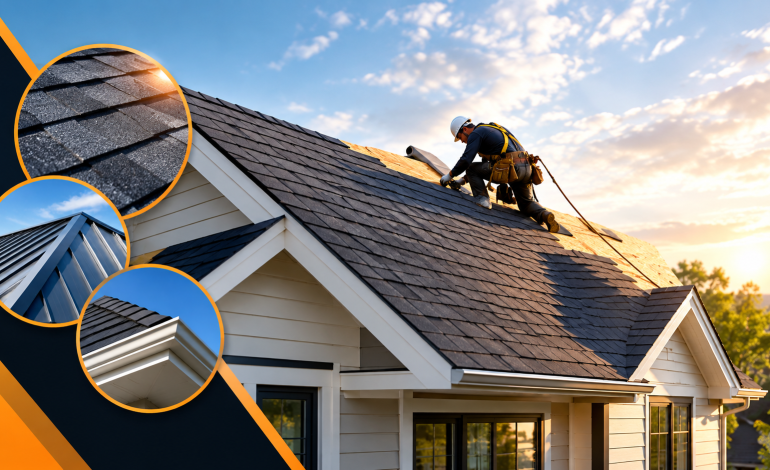
A roof is one of the most important components of any residential or commercial property. It protects the building from weather exposure, moisture, temperature changes, and other environmental conditions. As roofing materials age, however, they can lose their ability to provide reliable protection. When deterioration becomes extensive, a complete roof replacement may be more appropriate than repeated repairs.
Professional Roof Replacement Contractors follow a systematic process to evaluate the existing roofing system, identify underlying issues, select appropriate materials, and install the new roof correctly. Understanding this process helps property owners make informed decisions and prepare for a successful roofing project.
Determining whether a roof requires replacement begins with a professional assessment. Some problems can be resolved through targeted repairs, while widespread deterioration may indicate that replacement is a more practical long-term solution.
Several conditions can signal the need for a new roofing system, including:
A professional inspection can help determine the severity of the damage and whether repair or replacement is appropriate.
The roof replacement process begins with a comprehensive inspection. Contractors evaluate both the visible roofing materials and accessible components beneath the surface.
During the assessment, professionals may examine:
This evaluation helps contractors understand the current condition of the roofing system and establish the scope of the replacement project.
After completing the inspection, contractors develop a replacement plan based on the property’s requirements. This stage involves determining the appropriate roofing materials, installation methods, project requirements, and expected scope of work. A well-planned project can help minimize unexpected issues during installation while ensuring that important roofing components are properly addressed.
Property owners should also receive clear information about the proposed materials, project timeline, preparation requirements, and other relevant details before work begins.
Selecting the right roofing material is an important part of the replacement process. Different materials offer different levels of durability, appearance, maintenance requirements, and performance.
Depending on the property and project requirements, options may include:
Professional contractors can explain the characteristics of each option and help property owners understand how material selection may affect the overall roofing system.
Before removing the existing roof, contractors prepare the property and establish a safe, organized work area.
Preparation may include protecting landscaping, exterior surfaces, windows, doors, and other areas around the building. Contractors may also arrange equipment and debris-management systems before the removal process begins.
Proper preparation helps reduce disruption and keeps the project site safer and more controlled throughout the installation.
The next stage involves removing the existing roofing materials. Depending on the roofing system, this may include removing shingles, underlayment, flashing, and other components.
The removal process must be handled carefully to avoid unnecessary damage to the underlying structure. Once the old materials have been removed, contractors can obtain a clearer view of the roof deck and identify conditions that may require corrective work.
The roof deck provides the foundation for the new roofing system. If it has been weakened by moisture, rot, or prolonged deterioration, damaged sections may need to be repaired or replaced before new materials are installed.
Addressing these underlying problems is essential. Installing a new roof over a compromised surface can affect the performance and longevity of the entire roofing system.
Once the roof deck is properly prepared, contractors begin installing the components that support the new roofing system.
Depending on the roofing design, this may include underlayment, flashing, drip edges, ventilation components, and other protective materials.
These components play an important role in managing moisture and protecting vulnerable areas of the roof. Proper installation helps create a more complete and durable roofing assembly.
With the underlying components in place, the primary roofing material is installed according to the requirements of the selected system.
Installation requires attention to details such as alignment, fastening, overlaps, edges, penetrations, and transitions. Proper workmanship is particularly important because the performance of a roofing material depends not only on its quality but also on how it is installed.
Experienced Roof Replacement Contractors understand how to manage these installation details while maintaining an organized workflow.
Important roofing components should be reviewed during and after installation.
Flashing helps protect areas where the roof meets walls, chimneys, vents, and other structures. Damaged or improperly installed flashing can create potential pathways for water intrusion.
Roof ventilation is another important consideration. A properly designed ventilation system can help manage heat and moisture within the roof assembly.
Drainage should also be considered to help direct water away from the roofing system and prevent unnecessary water accumulation.
Once installation is complete, contractors perform a final inspection of the completed roofing system. This allows them to identify installation issues, verify important components, and ensure that the project has been completed properly.
The final stage may include checking:
The property should also be cleared of roofing debris and construction materials before the project is considered complete.
Roof replacement is a major property investment. Choosing appropriate materials is important, but proper installation and attention to the underlying roofing structure are equally important.
Professional Roof Replacement Contractors can provide a structured approach to the project, from the initial inspection through final installation. Their experience can help identify problems that may not be immediately visible and ensure that essential roofing components receive appropriate attention.
A professionally managed replacement can also help property owners avoid unnecessary repairs caused by overlooked underlying problems.
Before starting a roof replacement project, property owners should consider several factors. These include the current condition of the roof, the type of roofing material, the property’s specific requirements, expected maintenance needs, and the overall project scope.
It is also important to work with contractors who communicate clearly about the work being performed. Understanding what will be removed, repaired, replaced, and installed can make the process more transparent and easier to manage.
At Sigma Builders INC, we recognize that every property has unique roofing requirements. Our approach begins with understanding the existing roofing system and determining the appropriate course of action based on its condition.
From roof assessment and preparation to material installation and final inspection, each stage requires careful planning and professional attention. We focus on providing dependable roofing solutions designed around the property’s needs while maintaining clear communication throughout the project.
Roof Replacement Contractors inspect the roofing materials, roof deck, flashing, drainage, ventilation, and signs of water damage to determine whether repair or complete replacement is appropriate.
The process typically includes a roof inspection, project planning, material selection, work-area preparation, removal of the existing roof, roof deck repairs, installation of protective components, new roofing materials, and a final inspection.
The roof deck supports the entire roofing system. Inspecting it after removing the old materials allows contractors to identify moisture damage, rot, or deterioration and repair affected areas before installing the new roof.
Depending on the property’s design and requirements, roofing options may include asphalt shingles, metal roofing, slate, synthetic materials, and other specialized roofing systems.
Professional contractors use a structured replacement process to address existing damage, install roofing components correctly, and check important areas such as flashing, ventilation, drainage, and roof edges before completing the project.
A successful roof replacement requires more than installing new roofing materials. It involves careful inspection, detailed planning, proper surface preparation, quality materials, precise installation, and thorough final checks.
By understanding how Roof Replacement Contractors manage each stage of the process, property owners can better prepare for a roofing project and understand the importance of professional workmanship. When an existing roof has extensive deterioration or has reached the end of its useful service life, a properly planned replacement can provide renewed protection and long-term value for the property.
Leave A Reply